
Coffee Mixer #24: The Friendship Breakup: When Silence Replaces Connection
On why the people closest to us become the ones we stop talking to, and how adult friendships quietly dissolve without anyone deciding they should

Purani jeans, aur guitar, moholle ki woh chaat, aur mere yaar - Remember the famous song that was released in 1998? That one song, packed with expectations and nostalgia, was what redefined friendship for us. We all had a few friends we talked to every day. Even before the mobile started invading our lives and turning the conversation into the obligatory “how are we” in group chats, there were real conversations. We used to look forward to meeting them at the playgrounds, school, at college, tuition, and wherever we used to fool around. We told them things we didn’t tell other people, or confided our greatest secrets with ease. Everyone had that special handshake, looks, and even silent modes of communication where feelings and emotions were conveyed before they were put into words.
Then something changed, though we never remember exactly when or how. Now we text them on their birthday. Maybe we respond to their Instagram story sometimes. We’ve thought about calling multiple times, but somehow it never happens, and at some point we stopped thinking about it altogether.
If someone asked us directly, “Are we still friends with them?” we probably wouldn’t know what to say. Technically, yes, but practically no. We’re not enemies. We don’t dislike them. We just don’t exist in each other’s lives anymore. And somehow this quiet dissolution feels worse than any dramatic friendship ending could feel, because there’s no moment where we can point and say “this is where it broke.” It just became silent, and we both participated in that silence, and now it’s the most honest thing between us.

When Life Leaves No Room for Friendship
There is a version of adulthood that slowly consumes the very things that once made life feel full. Work is often where it begins. Our careers demand that we show up as our best selves: available, engaged, competent, and endlessly productive. The exhaustion this creates rarely ends when we leave the office because [work has invaded our home entirely]. By the time the day is over, there is little emotional bandwidth left for friendships that require presence, vulnerability, and attention.
So we gravitate toward the relationships that fit into the existing structure of our lives. Colleagues become our primary social circle because they are already there. The friend we once confided in becomes someone whose name appears on our phone, prompting the familiar thought: “I should call.” We genuinely mean it. We simply never do. It is not that we care less. It is that caring while also sustaining work, responsibilities, and daily obligations often requires resources that no longer exist.
For many people, parenting intensifies this collapse. Time shrinks into a narrow space occupied by work, children, and household responsibilities. Friendship maintenance begins to feel like reading books, exercising regularly, or getting eight hours of sleep—important, but increasingly difficult to prioritize. The painful part is that we often watch the friendship fade in real time. We delay replying to messages, weeks turn into months, and eventually, so much time has passed that a simple conversation feels impossible. Now it requires explanations, apologies, and catching up. Silence becomes easier.
Distance compounds the problem. Modern careers frequently demand relocation, and friendships that once thrived on proximity suddenly require planning. We promise to stay in touch, schedule calls, and visit often. We mean every word. But maintaining a friendship across cities requires effort that local friendships do not. The friend nearby can be seen over coffee on a spontaneous afternoon. The friend in another city requires calendars, travel expenses, and time carved out of already crowded schedules. Eventually, many friendships drift into nostalgia—not because affection disappeared, but because sustaining the relationship demanded more than either person could consistently give.
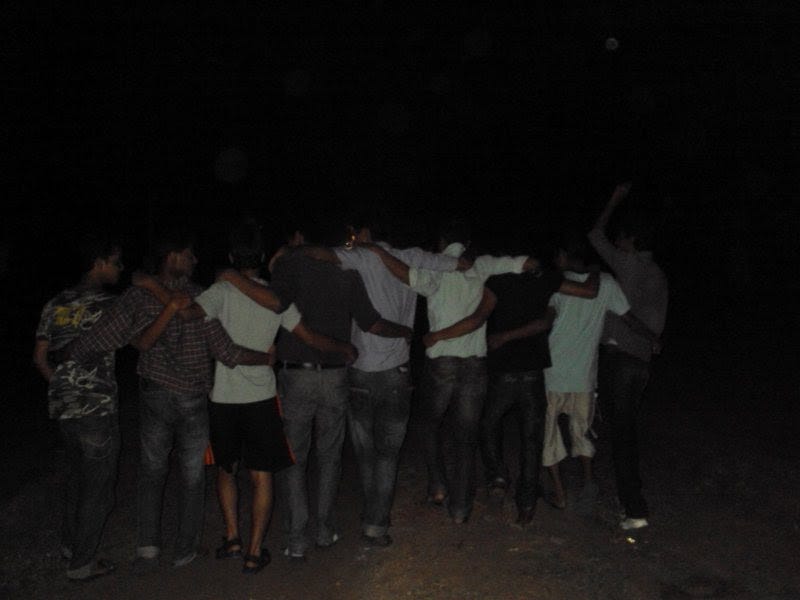
When Friendship Outgrows the People Within It
Not every friendship fades because life becomes busy. Sometimes it fades because the people inside it change.
The friend who understood us perfectly in our twenties understood a version of us that no longer exists. Our ambitions evolve. Our priorities shift. Our values change. What we need from friendship changes too. Maintaining certain relationships would require explaining who we have become and how our lives have transformed. Often, that feels unexpectedly exhausting. So the friendship survives in a lighter form: holiday messages, social media interactions, occasional check-ins that preserve connection without requiring genuine closeness.
Life-stage differences create another layer of distance. Parenthood, career advancement, relocation, marriage, caregiving responsibilities—each reshapes the way people experience the world. Shared reference points begin to disappear. The friend without children may struggle to understand why an evening out feels impossible. The friend with children may no longer relate to someone else’s freedom and spontaneity. The person climbing the corporate ladder may not understand why another is building strict boundaries around work.
None of these perspectives is wrong. They are simply responses to different circumstances. Friendship relies, at least in part, on mutual understanding, and that understanding becomes harder to sustain when lives are structured around entirely different realities.
Perhaps this is where many of us struggle. We expect friendships to remain exactly as they were, even when everything else has changed. But maybe enduring friendships are not the ones that resist change. Maybe they are the ones who adapt to it. Accepting that a friendship will look different does not mean accepting its end. It simply means allowing it to evolve into something that fits the people we have become, rather than holding it hostage to the people we used to be.

Living in the Silence
The people who maintain close friendships seem to either have significantly more time or significantly lower expectations about the depth of those friendships or significantly better boundaries around work and parenting that allow them to protect time for connection. Most of us don’t have those options. We’re just trying to survive our jobs and our responsibilities, and friendships require more than we have to give.
So we live with the friendships that fade, the people who were once central becoming peripheral without any dramatic transition point. We keep their numbers in our phone and occasionally see their Instagram stories and feel a small pang of nostalgia for who we used to be when those friendships were active. We’re not sad about the friendship ending because it never ended; it just became silence. And silence doesn’t break our hearts the way words do. It just slowly replaces the connection until one day we realize we don’t actually know what’s happening in their life anymore, and we’re okay with that because we’re too tired to do anything else.
The friendship breakup that nobody officially acknowledges, that doesn’t require closure or conversation or even acknowledgment, is somehow the loneliest kind. We’re still technically connected. But we’re not in each other’s lives. And both of us are probably too busy to do anything about it, which means we’ve essentially agreed that this is acceptable, that losing the people who were once closest to us is just the price of building a life that requires this much time and energy and presence.
We stay loosely connected to people who once mattered deeply to us because ending the relationship outright feels unnecessarily dramatic. But we don’t really sustain those friendships either, because doing so would require a version of ourselves with more time, more energy, and different priorities than the ones we currently have. So the friendship settles into an uneasy middle ground—connection without presence, familiarity without participation. We know what’s happening in their lives because social media keeps us informed, but knowing about someone is not the same as knowing them.
It feels like a kind of failure, this gradual drift toward distance while pretending the friendship still exists in its original form. But maybe it isn’t failure at all. Maybe it is simply what happens when life demands more than we can reasonably give. Work, family, responsibilities, and survival all compete for the same limited resources, and eventually something gets pushed to the edges. Friendship often becomes that thing, not because it matters less, but because it is one of the few losses that arrive quietly. There are no deadlines missed, no bills unpaid, no immediate consequences demanding our attention. So we let it fade, not through a lack of affection, but because it is the sacrifice that life allows us to make without protest.
Warmly,
The Coffee Mixer Team